So, you’ve decided to pick up the guitar? Congratulations! Learning to play an instrument is an incredibly rewarding experience. Whether you dream of shredding solos or simply strumming campfire songs, taking lessons is a great way to start your musical journey. Before you head to your first lesson, here are a few things to keep in mind to help you get the most out of the experience.
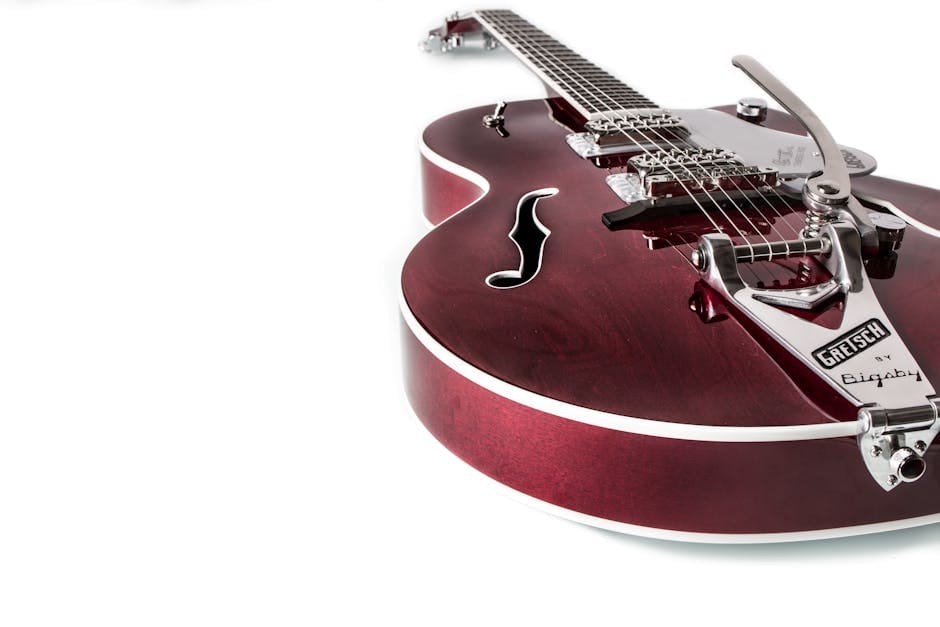
First, it’s important to choose the right guitar. For beginners, acoustic guitars are often recommended due to their simplicity. Classical guitars with nylon strings are gentler on your fingers, while steel-string acoustics offer a brighter sound. Electric guitars require additional equipment like an amplifier and are typically introduced later. Discuss your options with your teacher or a music store employee to find the best fit for you.
Next, gather the necessary accessories. You’ll need a set of picks, a tuner to keep your guitar in tune, and a case or gig bag to protect your instrument. A music stand is also helpful for holding sheet music or chord charts. Your teacher may recommend other accessories like a strap or a capo as you progress.
Setting realistic expectations is key. Learning guitar takes time and dedication. Don't get discouraged if you don't sound like a rock star overnight. Focus on mastering the fundamentals and celebrate small victories along the way. Consistency is more important than intensity, so practice regularly, even if it's just for a short period each day.
Communication with your teacher is essential. Don't be afraid to ask questions, express your goals, and share any challenges you're facing. Your teacher is there to guide you and provide personalized instruction. Open communication will ensure you're both on the same page and maximize your learning potential.
Practice makes perfect, or at least progress! Set aside dedicated practice time between lessons. Even short, focused practice sessions are more effective than sporadic, longer ones. Review the material covered in your lessons and work on any exercises or techniques your teacher assigns.
Be patient with yourself. Learning any new skill takes time and effort. There will be moments of frustration, but don't give up. Remember why you started playing in the first place and focus on the joy of making music. Celebrate your progress and enjoy the journey.
Finally, have fun! Learning guitar should be an enjoyable experience. Embrace the challenges, celebrate the successes, and immerse yourself in the world of music. With dedication and a positive attitude, you'll be strumming your favorite tunes in no time.