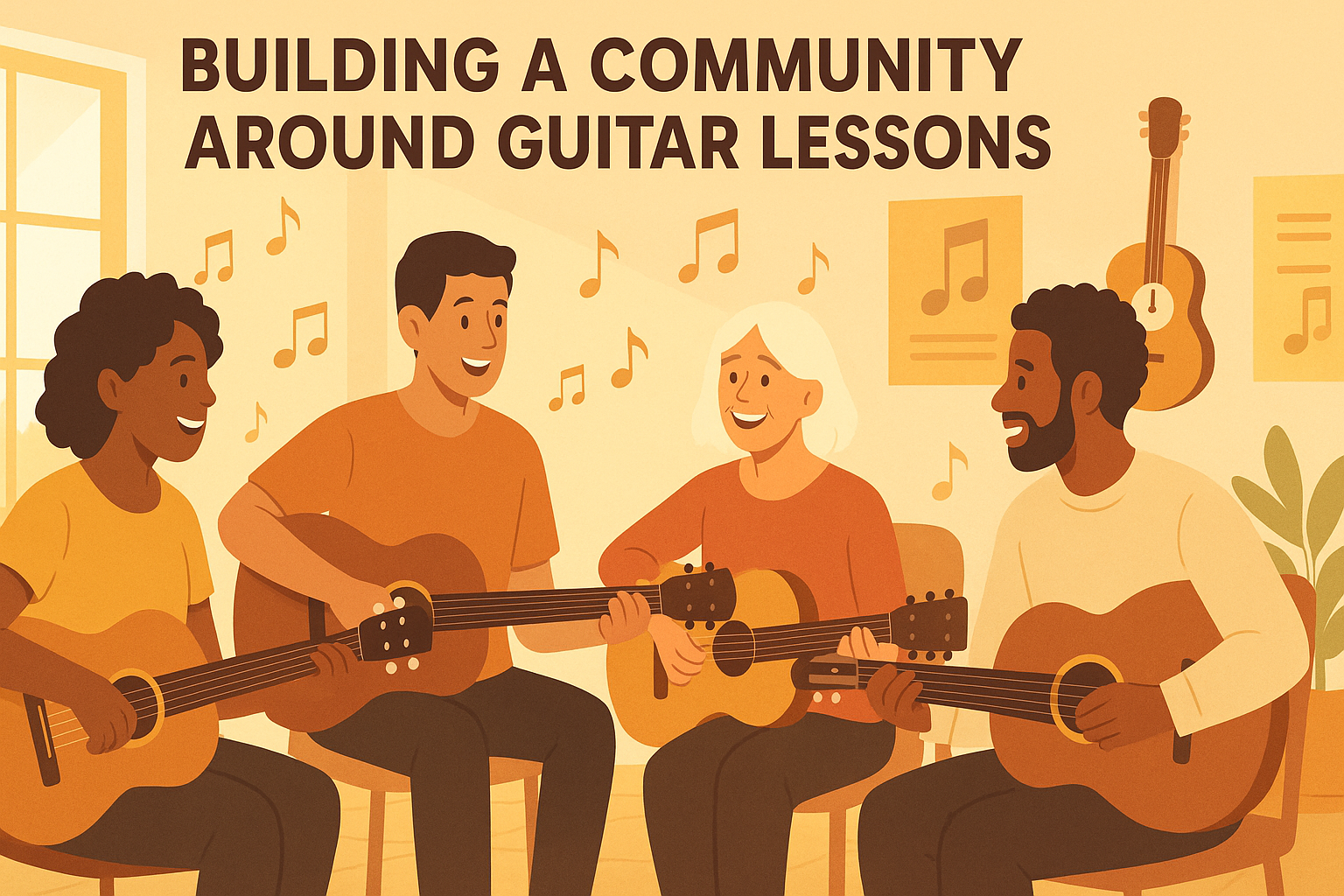
How to Build a Community Around Your Guitar Lessons 🎸
In today’s digital age, building a community around your guitar lessons can significantly enhance the learning experience for your students and provide you with a rewarding teaching journey. Whether you’re teaching online or in-person, creating a supportive network can transform isolated practice sessions into collaborative, inspiring experiences. In this blog post, we’ll explore how you can cultivate a thriving community around your guitar lessons.
Table of Contents
1. Understanding Your Audience
2. Leveraging Social Media Platforms
3. Hosting Interactive Events
4. Encouraging Student Interaction
5. Creating Valuable Content
6. Conclusion
7. FAQs
Understanding Your Audience 🎯
Before you start building a community, it’s crucial to understand who your audience is. Are they beginners seeking to learn basic chords, or advanced players aiming to master complex solos? Knowing your audience will help you tailor your community-building efforts to meet their needs.
Conduct surveys or informal chats to gather insights about your students’ interests, demographics, and learning goals. This information will guide your content creation and engagement strategies, ensuring that your community feels personalized and relevant.
Leveraging Social Media Platforms 📱
Social media is a powerful tool for connecting with students and fostering a sense of community. Platforms like Facebook, Instagram, and YouTube allow you to share content, engage with students, and reach a wider audience.
Create a dedicated Facebook Group where students can share their progress, ask questions, and support each other. Use Instagram to post quick tips, student highlights, and behind-the-scenes glimpses of your lessons. On YouTube, consider launching a channel with tutorials and interactive Q&A sessions.
Hosting Interactive Events 🥳
Interactive events are excellent opportunities for students to connect and learn from each other. Host regular live sessions or webinars where students can participate in real-time, ask questions, and receive immediate feedback.
Consider organizing virtual jam sessions or songwriting workshops. These events can break the monotony of individual practice and encourage students to collaborate creatively, fostering a deeper sense of community.
Encouraging Student Interaction 🤝
Encouraging interaction among your students is key to building a vibrant community. Create opportunities for them to engage with one another, both online and offline.
Implement a buddy system where students can pair up to practice together or exchange tips. Encourage students to share their music journeys and achievements on social media using a unique hashtag, creating a sense of belonging and shared experience.
Creating Valuable Content 📚
Content is at the heart of any community-building effort. Provide your students with valuable resources that inspire and educate them on their musical journey.
Publish blog posts, tutorials, and video lessons that address common challenges or introduce new techniques. Regularly update your content to keep it fresh and engaging. Consider creating a newsletter where you share tips, events, and student stories, further nurturing the community spirit.
Conclusion
Building a community around your guitar lessons requires effort and dedication, but the rewards are immense. A strong community enhances the learning environment, fosters collaboration, and creates a space where students feel supported and inspired. By understanding your audience, using social media, hosting events, encouraging interaction, and creating valuable content, you can cultivate a vibrant guitar learning community.
FAQs
Q1: How can I encourage shy students to participate in the community?
A: Start by creating a welcoming environment. Encourage small group interactions and celebrate every contribution, big or small. Ensure that your community guidelines promote respect and kindness, making it easier for shy students to join in.
Q2: What kind of content should I share to keep the community engaged?
A: Share a mix of tutorials, behind-the-scenes content, student highlights, and interactive challenges. Engaging content keeps the community active and interested.
Q3: How do I handle negative interactions within the community?
A: Establish clear community guidelines from the start. Address negative behavior swiftly and privately, reminding members of the community’s purpose and the importance of maintaining a positive atmosphere.
Building a community around your guitar lessons is a journey that requires patience and creativity. By focusing on connection and engagement, you can create a vibrant, supportive network that enriches the musical journeys of all its members. 🎶